The first trip, I almost turned around
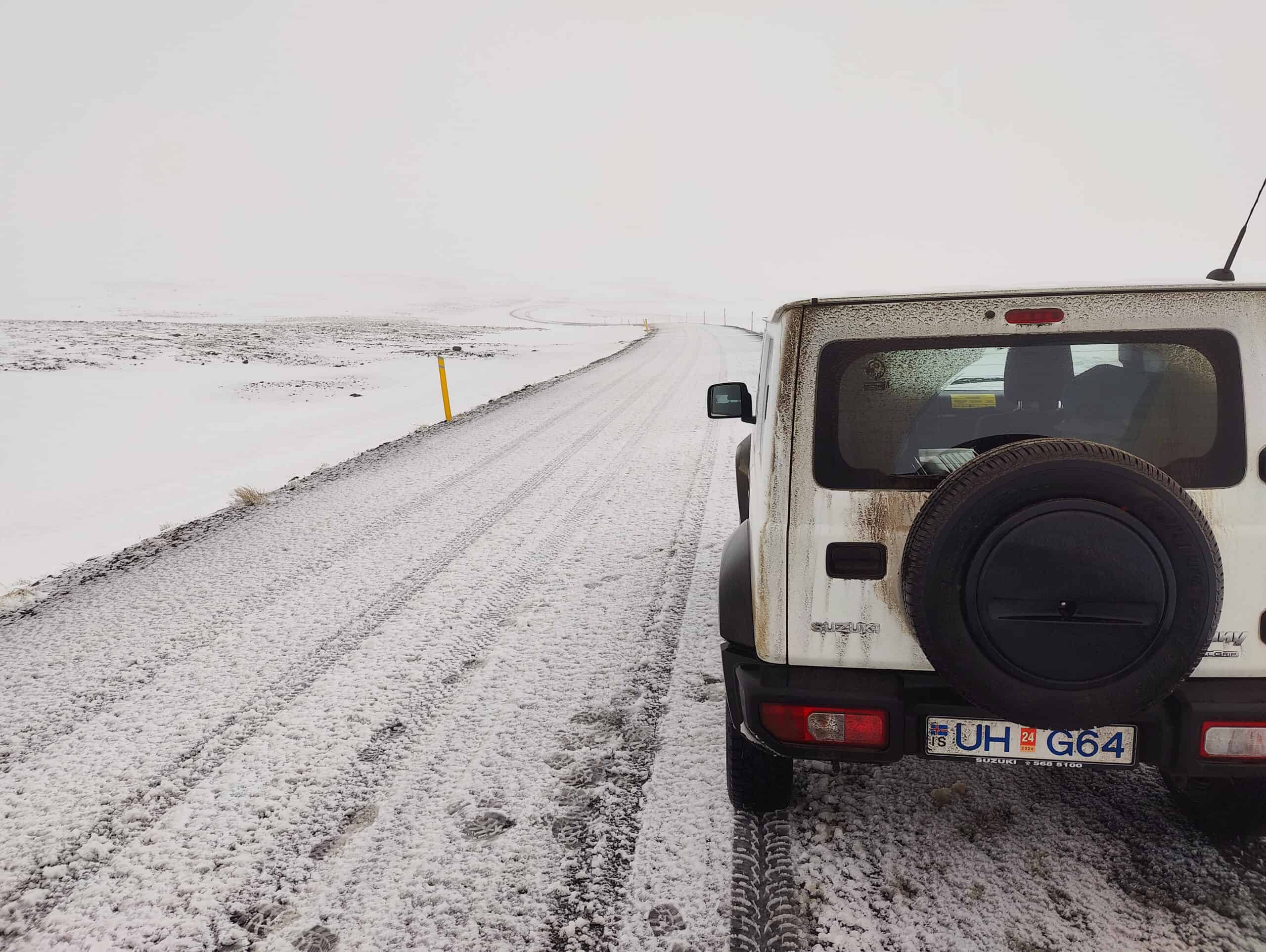
On my first drive in Iceland, the wind nearly ended the trip before it started. Strong crosswinds pushed the car sideways on open stretches of road, every gust demanded a correction at the wheel, and I found the driving so tiring and unsettling that I seriously thought about turning around and flying home.
I didn’t, and it got easier. Somewhere over the following days I stopped fighting every gust and started reading the road and the landscape for where the wind would hit. By the end of that trip, driving in Iceland felt different. Six trips later, it’s one of the parts I look forward to.
I mention this first because most rental guides treat the car as a booking decision: pick a category, compare prices, done. In Iceland, the car is the thing that gets you to every photograph, through conditions you probably haven’t driven in before. What you rent, how you insure it, and how well you understand it matter more here than almost anywhere else.
Why I Always Rent a 4×4
On every trip, I’ve rented a four-wheel-drive vehicle that is permitted on F-roads, whether I planned to drive into the highlands or not.
The reasoning is simple: no restrictions. A standard car rules out every F-road by law and by rental contract, and it makes rough gravel stretches considerably less comfortable. With a 4×4, a detour I didn’t plan for, a better road to a viewpoint, or a change of route because of weather is never blocked by the car itself. For a photographer whose plans change with the light, that flexibility is worth the extra cost.
It also makes unpleasant roads more bearable. Iceland has plenty of gravel roads outside the F-road network, and a vehicle built for them handles potholes, washboard surfaces and loose stones with less drama than a small city car.
A 4×4 does not make you invincible, though. The F-Roads guide covers the limits in detail, including the river crossing at Landmannalaugar where our vehicle wasn’t the right tool and we parked and walked instead.
The Cars I’ve Driven: An Honest Comparison
Over six trips, I’ve driven four different 4x4s. Each suited a different kind of trip.
Vehicle Comparison
Four 4x4s — which suits your trip
The one constant across all four: every vehicle was a 4×4 permitted on F-roads, regardless of whether the highlands were on the itinerary. A standard car rules out every F-road by law and by rental contract. For a photographer whose plans change with the light, that restriction is not worth the saving.
Suzuki Jimny (old and new model). The new Jimny was simply the most fun to drive of anything I’ve rented in Iceland. It’s small, capable, and genuinely suited to rough roads. The trade-offs are real: on long gravel or F-road stretches you feel every stone, and after 50 to 60 kilometres of highland track, you’re thoroughly shaken. Space is limited, so plan your camera bag and luggage carefully if you’re two people.
Toyota RAV4. The comfortable choice. Steering wheel heating, cruise control, and a smoother ride make long Ring Road days noticeably less tiring, and on a cold winter morning the heated steering wheel stops being a luxury very quickly. Less character than the Jimny, but easier on the body over a week of driving.
Dacia Duster. My default whenever we travel as a larger group. Enough space for people and camera gear, solid on gravel, and usually a sensible price for what it offers.
There’s no single right answer. If you’re driving long distances on paved roads, comfort wins. If you’re heading into the highlands as a pair and want the drive to be part of the experience, the Jimny is hard to beat. If you’re more than two people with real luggage, you’ll want the space.
Insurance: I Don’t Compromise
I take every insurance option offered, including sand and ash protection.
That may sound excessive until you consider what Iceland does to cars. Loose gravel flies up from passing vehicles and chips windscreens and paint. On the south coast, strong winds can carry sand and volcanic ash hard enough to damage paintwork and glass. None of this requires a driving mistake on your part, and all of it can end up on your bill at return.
For me, full coverage is the price of not thinking about it during the trip. When I’m focused on light, weather and the next location, I don’t want part of my attention on whether the last gravel stretch has cost me money.
Whatever you choose, read what each package actually covers. Pay particular attention to damage from wind to car doors, which comes up in the next section. Coverage terms differ between companies and packages, so check rather than assume.
Where I’ve Rented
I’ve only ever rented from two companies: Blue Car Rental and Star Car Rental, both based at Keflavík. I’ve had no reason to switch, which is about the strongest recommendation I can give.
I’m deliberately not comparing companies I haven’t used. There are many rental firms in Iceland, and plenty of them are probably good, but this site only recommends what I’ve experienced myself.
What Surprised Me on the Road
Crosswinds
As described above, strong crosswinds were the biggest shock of my first trip. Some practical notes that would have helped me then:
- Check the wind forecast before driving, not only before shooting. Veðurstofa Íslands and Windy both show where wind is strongest, and the Weather & Planning Tools guide covers how I use them.
- Expect gusts where the landscape opens up, at the exit of valleys, around mountain spurs and on bridges.
- Slow down and keep both hands on the wheel. A lighter vehicle feels it more, which is worth knowing if you choose a small car.
- It gets easier. If your first day feels overwhelming, that’s normal.
Doors and the wind
I thought the warnings about car doors were exaggerated. They aren’t. A strong gust can catch an opening door and bend it past its hinges in an instant, and that kind of damage can be expensive.
It has never happened to me, but only because I took it seriously after seeing the conditions:
- Park facing into the wind where possible, so the door isn’t opened with the wind behind it.
- Hold the door firmly with both hands when opening, especially on the driver’s side.
- Be extra careful at viewpoints and car parks on exposed coastlines, which are exactly where photographers stop most often.
Sheep and reindeer
We’ve had both on the road. Sheep roam freely across much of Iceland in summer and often stand on or right next to the road, sometimes on the opposite side from their lambs. Reindeer live in East Iceland and can appear on the road there. Nothing happened in either case, because we were driving at a speed that left room to react. That’s the only real advice: drive at a speed that gives you time to stop.
Know Your Car Before You Leave the Lot
Before You Drive Off
Ten minutes in the car park — what to check
Understand the vehicle
Insurance and documentation
The door warning — not exaggerated. A strong gust can catch an opening door and bend it past its hinges in an instant. Park facing into the wind where possible. Hold the door firmly with both hands when opening, especially on exposed coastlines and viewpoints — exactly where photographers stop most often. It has never happened to me because I took it seriously after seeing Iceland’s wind in person. The damage is expensive and not always covered.
This point from the F-Roads guide applies to every rental, not only for the highlands. Before you drive off, find out how the four-wheel-drive system works, whether the car has a differential lock or low-range gearing and how to engage them, and what the dashboard warnings look like. Ten minutes in the car park is far better than working it out on a steep gravel descent in the rain.
Leave No Trace: Driving Responsibly
Never drive off-road. It is illegal in Iceland, causes lasting damage to fragile vegetation, and is fined heavily. A 4×4 makes it physically possible; it doesn’t make it allowed.
Park only in designated areas. Pull over for a photograph only where there is space to do so safely. Stopping on the road or the narrow shoulder for a quick shot is a common cause of dangerous situations in Iceland, especially on single-lane bridges and blind crests.
Respect animals on the road. Slow down, give them room, and never try to push them along with the car.
Sources
- Vegagerðin (Icelandic Road Administration) — road.is
- Veðurstofa Íslands (Icelandic Meteorological Office) — vedur.is
- Ferðamálastofa (Icelandic Tourist Board) — visiticeland.com